

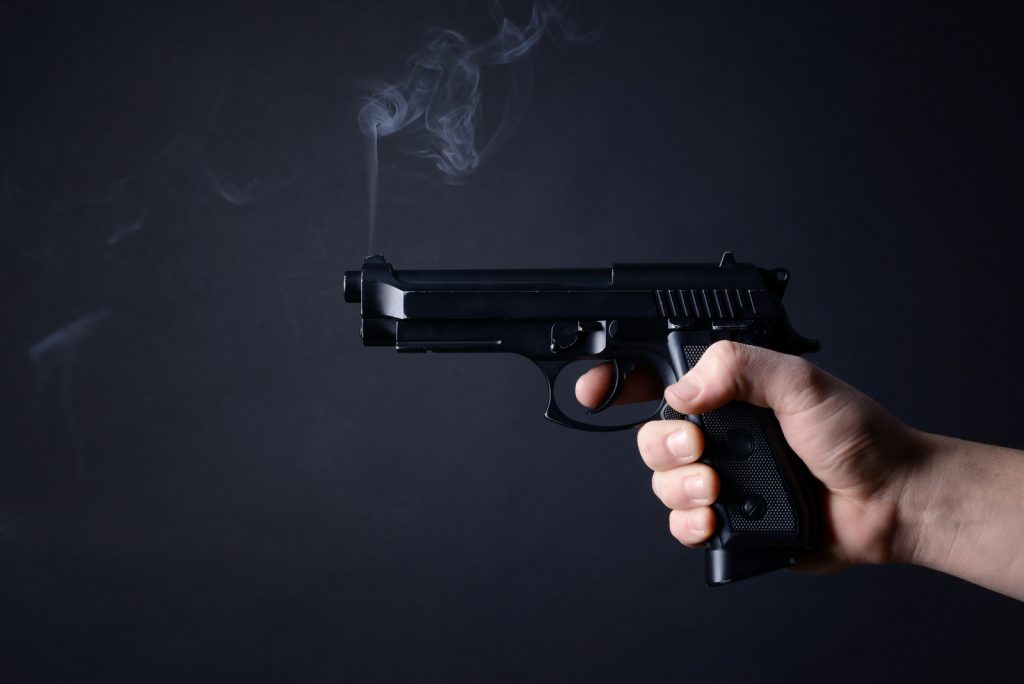
You’ve decided you want a firearm for protection. Maybe it’s a new home, a change in the neighborhood, a family situation, or simply the realization that you’ve put this decision off long enough. The motivation is clear. What’s far less clear, standing in front of a display case at a gun store for the first time, is which firearm is actually right for you.
The mistake most first-time buyers make is asking the wrong question. They ask “what’s the best gun,” when the better question is “what’s the right gun for my hand, my situation, and my willingness to train with it.” A firearm that’s perfect for one person can be the wrong choice entirely for another, even if both are buying for the same general purpose of home defense.
This guide walks through how to actually think about a first firearm purchase, the categories worth understanding, and why the decision matters less than what you do after you make it.
Start With Purpose, Not Preference
Before anything else, define what the firearm is actually for. Home defense, concealed carry, or both are different requirements, even though many first-time buyers assume one firearm should do everything.
A firearm intended primarily for home defense has more flexibility in size and weight, since it’s not being carried on your body throughout the day. A firearm intended for concealed carry has to balance capability against how comfortably and discreetly it can be carried for hours at a time. If your goal is both, the honest answer is that you may eventually want two firearms suited to each purpose, even if you start with one.
Purpose also shapes how urgently you should buy versus how urgently you should train. A firearm bought for home defense that sits properly stored while you build skill through professional instruction is in a far better position than a firearm bought in a hurry and never trained with at all.
Handguns vs. Long Guns for a First Purchase
Most first-time defensive buyers gravitate toward a handgun, and there are real reasons for that. Handguns are more maneuverable in tight indoor spaces, easier to store securely, and the only realistic option if concealed carry is part of the goal.
A shotgun or rifle has its own advantages for home defense, specifically, including different handling characteristics and ammunition capacity considerations, but neither is practical for carrying outside the home. For a first firearm intended to cover the broadest range of defensive scenarios, a handgun is usually the more versatile starting point, with a long gun considered as an addition later if home defense is the primary goal.
Fit Matters More Than Specs
A common mistake is choosing a firearm based on a spec sheet, caliber, capacity, brand reputation, rather than how it actually feels in your hand. A firearm you can’t grip properly, can’t reach the trigger comfortably on, or struggle to control will never perform the way the spec sheet suggests, no matter how well-reviewed it is.
This is one of the clearest reasons to handle several firearms in person before buying, ideally under the guidance of an instructor who can evaluate your grip, hand size, and strength rather than a salesperson focused on closing a sale. What fits a friend or family member well may not fit you at all, even if it’s the same exact model.
Caliber Considerations for Beginners
Caliber selection often gets treated as the most important decision in the buying process, when in practice, several common defensive calibers are all reasonable choices for a first firearm. What matters more for a beginner is manageable recoil, since a firearm that’s unpleasant or intimidating to shoot gets practiced with less often, and infrequent practice undermines the entire purpose of owning it.
A firearm with moderate, controllable recoil that you’ll actually want to train with regularly is a better choice than a more powerful option you’ll be reluctant to take to the range. Confidence and consistency in practice matter more for a first firearm than maximizing stopping power on paper.
New vs. Used
Both new and used firearms can be reasonable choices for a first purchase. A new firearm comes with a manufacturer’s warranty and no unknown history, which appeals to many first-time buyers who want one less variable to worry about. A quality used firearm from a reputable dealer can offer real value, since firearms are durable goods that don’t wear out quickly under normal use.
The most important factor isn’t new versus used; it’s verifying the firearm functions reliably before you depend on it. Any firearm intended for defensive use should be test-fired and inspected, whether it came off a showroom shelf yesterday or has a known history.
Why the Purchase Decision Matters Less Than the Training Decision
Here’s the part most first-time buyers don’t expect to hear: the specific firearm you choose matters less than what happens after you buy it. A well-chosen firearm in untrained hands provides a false sense of security. A reasonable, well-fitting firearm paired with real instruction provides actual capability.
Sword & Shield’s Range Day program is built around exactly this gap, taking students from fundamentals through realistic defensive scenarios in a single comprehensive session, with handguns, ammunition, and safety equipment provided. This means you don’t even need to own a firearm yet to start building the skills that will inform your eventual purchase. Many first-time buyers find it valuable to train before buying, since hands-on experience with different platforms during instruction often clarifies what actually fits them far better than a few minutes at a display case.
For buyers who want individualized guidance on selecting a firearm suited to their specific hand size, strength, and goals, one-on-one training sessions provide that personalized direction directly from an instructor.
The North Georgia Context
North Georgia’s mix of suburban neighborhoods, more rural properties, and everything in between means defensive needs vary more than people expect across our service area. A homeowner on a wooded multi-acre property in Dawsonville has different practical considerations than someone in a townhouse community in Suwanee, even if both are buying a firearm for the same general reason.
This is part of why a generic online buying guide only goes so far. The right firearm for your situation depends on your home’s layout, your household, and your own physical characteristics, all of which are better evaluated in person than through a list of recommended models.
Frequently Asked Questions
Should I buy a firearm before or after taking a training course?
Either order works, but many first-time buyers find value in training first. Hands-on experience with different firearms during instruction often clarifies what fits before you commit to a purchase.
What’s the most important factor in choosing a first firearm?
Fit and manageable recoil matter more than caliber or brand. A firearm you can control comfortably and will actually practice with regularly is the better choice.
Is a handgun or a long gun better for a first purchase?
For most first-time buyers focused on home defense and the possibility of concealed carry, a handgun offers the most versatility as a starting point.
Should I buy new or used?
Both are reasonable. The priority is verifying the firearm functions reliably, regardless of whether it’s new or used.
Do I need my own firearm to start training?
No. Sword & Shield’s Range Day program supplies handguns, ammunition, and safety equipment, so you can build skill and clarify your preferences before making a purchase.
How do I get started?
Call (678) 936-4403 or schedule online. Available Monday through Saturday, 9 AM to 5 PM.
Make Your First Purchase a Confident One
Choosing your first firearm doesn’t have to feel like a guess. The right approach combines understanding your actual purpose, prioritizing fit over spec-sheet bragging rights, and pairing whatever you choose with real instruction.
Sword & Shield serves residents across Cumming, Dawsonville, Gainesville, Cherokee County, Gwinnett County, Cobb County, Alpharetta, Milton, Roswell, Johns Creek, and Suwanee with professional-grade training programs built around real-world defensive readiness.
📞 Call (678) 936-4403 | Schedule a Training