

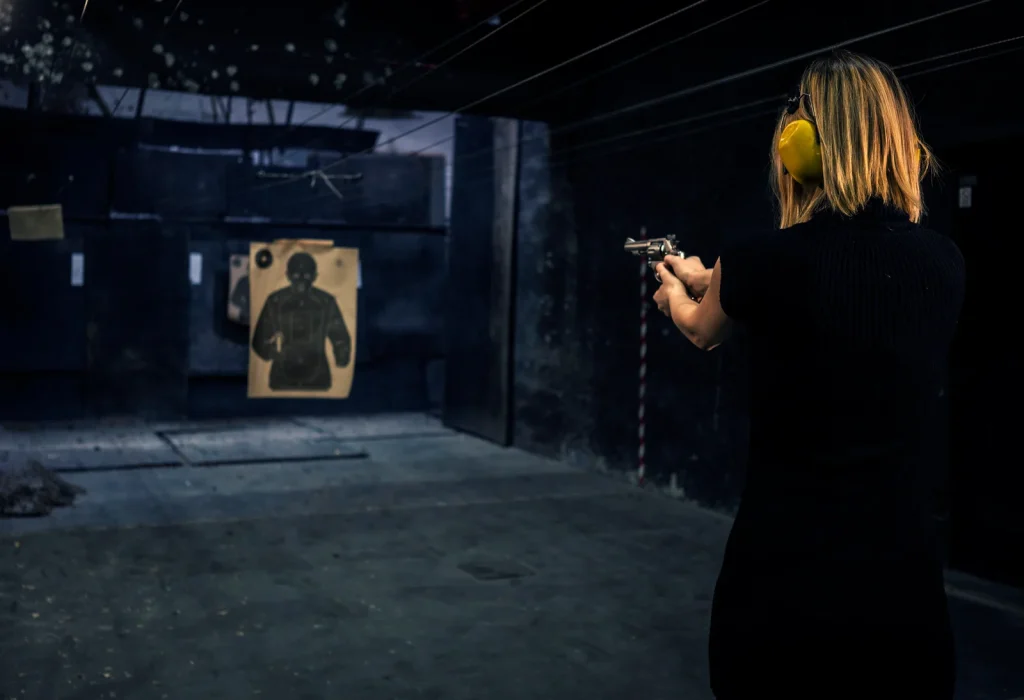
If you carry a defensive firearm, you’ve thought about whether you’d be capable of using it. You’ve probably trained, at least somewhat, for the moment a real threat would appear. The part most carriers haven’t seriously thought through is what happens in the minutes, hours, and days after a defensive shooting — when the immediate threat is over, the police arrive, and your life becomes a legal proceeding whether you want it to or not.
This is the gap that costs responsible gun owners the most. The training to act in the moment is real. The preparation for what comes after is almost universally absent. And the decisions you make in the immediate aftermath — what you say to law enforcement, who you call first, whether you make a statement before talking to an attorney — can shape the legal outcome more than the shooting itself did.
This post lays out what actually happens after a defensive shooting in Georgia, the choices you’ll face, and the preparation you can do now to make those choices easier when adrenaline and shock are working against your judgment. None of this is legal advice. For specific guidance, every gun owner should have a relationship with an attorney before any defensive incident — not after. This is general information that helps you understand why that relationship matters and what the aftermath actually looks like.
The First Sixty Seconds
The defensive shooting itself is over fast. Most defensive incidents resolve in seconds. Your body is flooded with adrenaline. Your heart rate is somewhere between 150 and 180. Your fine motor control is compromised. Your hearing has narrowed to tunnel auditory exclusion, and your vision has narrowed to threat focus. And now, somehow, you have to make the most important decisions of the next several years of your life — under conditions that no one should be making important decisions under.
The first things to do, in roughly this order: confirm the threat is neutralized, ensure your own safety and the safety of anyone with you, secure your firearm safely, and call 911. Do not move the deceased or injured. Do not move evidence. Do not pick anything up. The scene as you see it in the moments after is the scene investigators will need to evaluate, and disturbing it can hurt your defense even when you intended to help.
When you call 911, the call is being recorded. Anything you say is admissible. The most useful thing to communicate at that stage is the minimum necessary information — your location, that there’s been an incident, that you’re the one who called, and that you need police and medical response. The dispatcher will ask follow-up questions. Be careful about narrative explanations. The instinct to explain what happened and why you were justified is the most dangerous instinct in this situation.
When Police Arrive
Law enforcement responds to defensive shootings the way they respond to any shooting. They don’t know yet whether you’re a defender or a perpetrator. The scene contains a body, a firearm, and a person standing nearby — that’s the picture officers see when they arrive, and they’re trained to control the scene first and sort out who’s who second. Expect to be ordered to the ground. Expect to be handcuffed. Expect to have your firearm taken. Expect to be detained, possibly transported, and possibly held in custody for hours.
None of this means you’re being arrested as a criminal. It means the scene is being secured according to standard procedure. Resisting, arguing, or trying to explain yourself in this moment makes everything worse. Comply with officer commands. Identify yourself when asked. Tell them you’re the person who called 911 and you were defending yourself. Tell them you’d like to cooperate with the investigation but want to speak with an attorney first.
That last part is the most important sentence you’ll say all night. The right to remain silent and the right to counsel exist for situations exactly like this one. Use them. Officers may ask follow-up questions, may try to elicit a narrative, or may suggest that “people who don’t have anything to hide just tell us what happened.” None of that changes the fundamental advice. Talk to an attorney before making any substantive statement. Anything you say can and will be used against you — and the operative word in that sentence is “will,” not “can.”
The Attorney Question
Most people don’t have a criminal defense attorney on retainer. Most people don’t have a relationship with any attorney specifically experienced in self-defense law. Most people, when they call after a defensive shooting, are calling someone they’ve never met before — at midnight, in handcuffs, with a body at the scene of an incident they’re trying to explain.
This is the wrong moment to be establishing the relationship. The right moment is months or years before any defensive incident, when you’re calm, you have time to evaluate options, and you can have honest conversations about what your defensive plan looks like, what your local prosecutor’s tendencies are, and what to do if something happens. Having an attorney’s number in your phone before the incident — and having had at least one consultation about firearms self-defense law — changes how you approach everything that follows.
Several services exist specifically for gun owners who want this preparation. Self-defense legal protection programs (Armed Citizens Legal Defense Network, USCCA, U.S. LawShield, and others) function similarly to insurance — you pay an annual fee, and if you’re involved in a defensive incident, the program covers attorney engagement and legal expenses. These programs aren’t perfect, and the specifics vary widely. They are far better than not having any plan at all. Whether you choose one of these programs or build a relationship with a local attorney directly, the principle is the same: have the relationship before you need it.
Statements, Investigations, and the Days That Follow
In the days following a defensive shooting, you will be interviewed. Possibly multiple times. Detectives will want a detailed account of what happened, why you fired, what you saw, what you heard, and what you thought. The investigation may take weeks or months. During that time, you may be in legal limbo — not charged, but also not cleared. You may be released, you may be held, you may be arrested and bonded out. The variability is significant and depends heavily on jurisdiction, the specific facts, and the prosecutor.
The single most important rule across all of this: do not give any substantive statement without your attorney present. The brief acknowledgment that you defended yourself and want to cooperate is appropriate. Detailed narrative is not. Even when you’re certain the shooting was justified, even when the facts are clearly on your side, the statement you give in the immediate aftermath — under stress, with imperfect memory, possibly contradicted by evidence you don’t yet know about — can become the basis for charges that wouldn’t otherwise have been filed.
Memory after a traumatic event is unreliable in specific, predictable ways. You may misremember the sequence of events. You may misremember what you said. You may misremember details of the scene. None of this means you’re lying — it means you’re a normal human being whose brain processed a traumatic event the way human brains process traumatic events. But a misremembered detail in your initial statement, contradicted later by surveillance footage or witness accounts, can become the centerpiece of a prosecutor’s case. This is why attorneys exist. This is why statements wait.
Civil Exposure Beyond Criminal
Even if no criminal charges are filed — even if the shooting is ruled clearly justified under Georgia’s self-defense statutes — civil liability is a separate matter. The family of the deceased can file a wrongful death suit. The threat you defended against, if they survive, can sue you for damages. The standards of proof are different in civil court (preponderance of evidence rather than beyond a reasonable doubt), which means a defendant can be acquitted criminally and still lose civilly.
Georgia’s self-defense law does provide some immunity from civil suit when force was lawfully used in self-defense, but the immunity is not absolute, and the process of asserting it involves its own legal proceeding. Civil cases can take years to resolve, cost tens of thousands of dollars to defend even when you win, and result in judgments that affect your finances long after the criminal investigation has closed. This is the part of the aftermath most carriers haven’t thought about — and it’s often the longest-lasting part.
The legal protection programs mentioned above typically include some coverage for civil defense, though the specifics vary. Personal liability insurance riders for firearms are another option some gun owners explore. The mechanics matter less than the underlying point: a defensive shooting can affect you financially for years, and planning for that contingency is part of carrying responsibly.
The Psychological Aftermath
The legal proceedings get most of the attention, but the psychological aftermath of a defensive shooting is its own ongoing reality. Even when the shooting was clearly justified — even when you saved your own life or someone else’s — taking a human life is a significant event, and the human mind processes it in ways that take time to work through. Sleep disturbances, intrusive memories, emotional volatility, hypervigilance, and other symptoms consistent with acute stress or post-traumatic stress are common in the weeks and months that follow.
Talk therapy with a licensed counselor experienced in trauma is one of the most useful things a defender can do in the aftermath, and the sooner the better. Some communities have peer support resources for armed civilians involved in defensive incidents. Religious or community support, if that’s part of your life, also helps. The instinct to “just push through it” is the wrong one. Defensive shootings affect the people who survive them, and addressing that directly is part of the recovery, not weakness or overreaction.
Family members are also affected. Spouses, children, and others in the household who learn what happened — even if they weren’t present — process it in their own ways. Children, especially, may need careful, age-appropriate explanations and ongoing support. None of this gets covered in firearms training. All of it matters.
What to Do Now, Before Anything Happens
The work that makes the aftermath of a defensive shooting survivable happens before any incident occurs. The five concrete steps every Georgia gun owner should take:
First, establish a relationship with a criminal defense attorney experienced in firearms law. Have at least one consultation. Get their number into your phone. Understand what they recommend you do (and not do) in the aftermath of a defensive incident.
Second, evaluate self-defense legal protection programs. Compare coverage, costs, and reputation. Choose one that fits your situation, or work with your attorney to develop a plan that doesn’t require a program. The exact path matters less than having a path.
Third, train seriously. The actual shooting incident, if it happens, will go better if your skills are real. Pistol training, rifle training, and home security assessments are the operational side of preparation, and they shape every other element of the aftermath because the underlying incident will have gone differently.
Fourth, have the conversation with your family. Spouses and adult children should understand what to do if a defensive incident occurs at home — calling 911, contacting the attorney, and understanding their own roles. This isn’t morbid. It’s the same kind of preparation families do for fires or medical emergencies.
Fifth, understand the law. Read Georgia’s self-defense statutes. Read about castle doctrine and stand your ground. Understand the legal definitions. Know what a “forcible felony” is. Know what “reasonable belief” actually means in the legal context. None of this makes you a lawyer. All of it makes you better prepared to operate within the legal structure that governs defensive use of force.
Frequently Asked Questions
Should I give any statement to the police at the scene?
Brief, basic information only — that you were defending yourself, that you want to cooperate, that you’d like to speak with an attorney before making any detailed statement. Detailed narrative waits for your attorney.
How long until I get my firearm back?
Variable. Sometimes weeks, sometimes months, depending on the investigation. Your firearm will be evidence and won’t be returned until the case is resolved or evidence is no longer needed.
Will I be arrested even if the shooting was justified?
Possibly. Arrests at the scene are common even in justified defensive shootings, particularly while the scene is being investigated. Arrest is not the same as charging or conviction. An attorney handles the difference.
Do I need to invoke my Fifth Amendment rights to remain silent?
Clearly stating that you want to speak with an attorney before answering substantive questions is the recommended approach. You don’t need to use specific legal language. The clarity matters more than the wording.
What if there’s video footage?
Video is generally helpful for justified defenders, but only after careful review. Don’t assume video automatically helps you, and don’t rely on it to substitute for proper legal procedure. Your attorney evaluates the footage and decides how it factors into your defense.
How do legal protection programs actually work?
They function similarly to insurance — an annual fee, coverage if you’re involved in an incident. Specifics vary by program. Compare carefully before committing. They are not a substitute for an attorney relationship; they’re a way to fund one.
Carry Responsibly. Plan Completely.
Carrying a defensive firearm is more than a decision about marksmanship. It’s a commitment to a complete picture of preparedness — the training to act, the legal awareness to act lawfully, the relationships to handle the aftermath, and the emotional readiness to live through what comes after. Sword & Shield trains gun owners across North Georgia in the operational side of carry. The legal and aftermath planning is your responsibility — and starting it before anything happens is the only way to do it well.
📞 Call (678) 936-4403 | Schedule a Training