

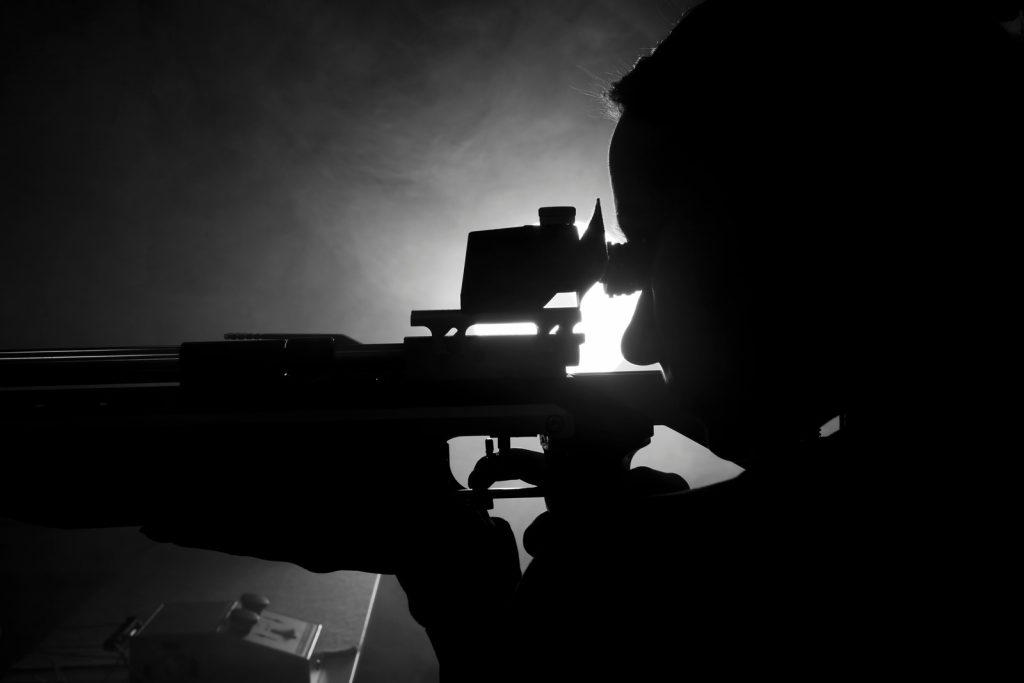
Almost everyone builds their shooting skills the same way. Good light, a square range, a clear target, and plenty of time. It is comfortable, it is how ranges are set up, and it produces real skill. The problem is that a large share of actual defensive encounters do not happen in those conditions. They happen at night, in dim spaces, in exactly the environment most people have never trained in.
Low-light shooting training exists to close that gap, and it is genuinely a different discipline from standard range practice. It is not just daytime shooting with the lights turned down. The skills, the drills, the decisions, and even the mindset all change when you cannot clearly see. Understanding those differences is the first step to understanding why the training matters.
This article breaks down how low-light shooting training actually differs from the daylight range practice most shooters are used to.
How does low-light shooting training differ from standard range practice?
Low-light training adds skills that daylight practice never requires, using handheld and weapon-mounted lights, identifying threats in darkness, and managing reduced visibility. It shifts the emphasis from pure marksmanship to target identification and decision-making under compromised vision, and it demands light discipline and judgment that a well-lit range simply does not test.
The Light Itself Becomes a Skill
On a standard range, light is a given. You never think about it. In low-light training, light becomes something you have to actively manage, and learning to use it well is a core skill in its own right. You learn to work with handheld flashlights and weapon-mounted lights, when to activate them, and how their use affects both what you can see and where you reveal yourself.
This is entirely absent from daylight practice. Standard range work never asks you to consider that turning on a light shows an intruder exactly where you are, or that fumbling a flashlight and firearm together is a skill that has to be built. Light management is one of the clearest examples of how low-light training adds a whole dimension that daytime shooting never touches.
Target Identification Replaces Assumed Targets
On a range, you know what you are shooting at. The target is right there, clearly visible, and there is no question about what it is. In low light, that certainty disappears, and target identification becomes one of the most important skills in the entire discipline. You cannot act on a shape you cannot confirm, and learning to positively identify a threat before making any decision is central to the training.
This shifts the emphasis away from pure marksmanship. On a daylight range, the challenge is putting rounds where you want them. In low light, the harder and more important challenge is knowing whether you should be shooting at all. Acting on an unconfirmed target in the dark is one of the most serious mistakes a defender can make, and standard range practice does nothing to prepare you for that judgment.
Decision-Making Under Compromised Vision
Standard range practice is a controlled, predictable environment. Low-light training deliberately introduces the stress and uncertainty of reduced visibility, because that is what real encounters involve. When you cannot see clearly, your instincts push you to react fast, and the training teaches you to slow down, confirm, and stay controlled instead.
That decision-making under compromised vision is a skill that simply cannot be built in good light. It is not about shooting mechanics at all. It is about managing yourself, your awareness, and your judgment when the environment is working against you. This mental dimension is a large part of what separates low-light training from daylight practice, and it is often the part that surprises experienced shooters the most.
Movement, Positioning, and Cover Change
How you move and position yourself changes in the dark. On a bright range, movement is straightforward and visibility is constant. In low light, you have to think about angles, cover, and how light and shadow affect both you and a potential threat. Using darkness to your advantage, and avoiding silhouetting yourself against light, are considerations that never come up in standard practice.
This is where low-light training starts to feel genuinely tactical rather than purely technical. The environment itself becomes a factor you have to work with, and learning to move and position yourself intelligently within it is a skill set of its own. Daylight practice, by contrast, largely removes these variables, which is part of why it feels so much simpler.
Why the Prerequisites Matter
There is one important way low-light training differs that is worth being direct about. It assumes you already have safe, competent fundamentals. Standard range practice is often where those fundamentals get built, and low-light work builds a demanding layer on top of them. Trying to learn basic handling and low-light skills at the same time is counterproductive, and a responsible instructor will not do it.
This is why low-light training is not usually a beginner’s first exposure to a firearm. It is where a shooter who already has solid daylight fundamentals goes to prepare for realistic conditions. If you are still building the basics, standard practice and structured beginner instruction come first. Once the foundation is there, low-light training extends it into the conditions that actually matter most.
Frequently Asked Questions
Is low-light shooting training suitable for beginners?
Generally no. It assumes you already have safe, competent daylight fundamentals, because it adds a demanding layer on top of them. Beginners are better served building the basics first through standard instruction.
Why is target identification such a big focus in low light?
Because acting on an unconfirmed target in the dark is one of the most dangerous mistakes possible. When you cannot see clearly, confirming what you are looking at before any decision becomes essential in a way daylight practice never tests.
Do I need special equipment for low-light training?
Some light equipment is involved, such as handheld or weapon-mounted lights. Guidance on what you need is provided when you schedule, and existing gear can usually be worked with.
Can I not just practice this on my own at a range?
Most ranges are not set up for low-light practice, and doing it safely requires proper structure and supervision. The judgment and light-management skills involved are also difficult to develop correctly without instruction.
How is low-light training actually different from shooting in the dark?
Shooting in the dark is just reduced visibility. Low-light training is a structured discipline covering light management, target identification, decision-making, and positioning, all built on existing fundamentals.
Train for the Conditions That Actually Matter
Standard range practice builds real skill, but it only prepares you for ideal conditions. Low-light training is a different discipline that prepares you for the conditions defensive encounters actually tend to happen in. For a shooter with solid fundamentals, it is one of the most valuable steps toward genuine readiness.
Sword and Shield offers low-light shooting training across North Georgia, taught by an instructor who has operated in these conditions for real. For more on why it matters, our guide on low-light firearms training in North Georgia goes deeper.
Call (678) 936-4403 | Schedule Training
Serving Alpharetta, Cumming, and North Georgia